



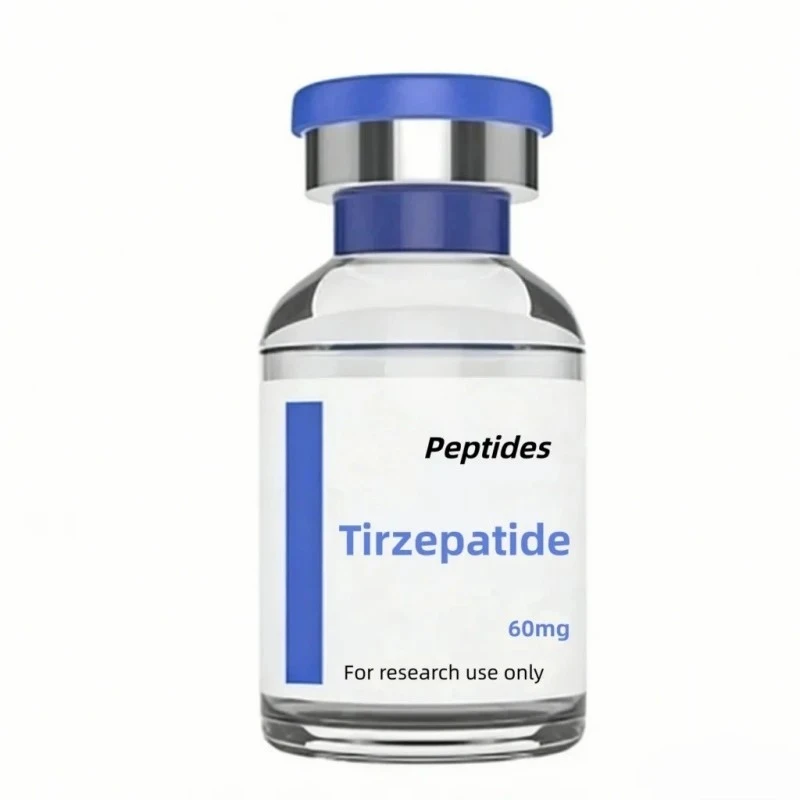
The Liraglutide Peptide API is a high-performance, 31-amino acid glucagon-like peptide-1 (GLP-1) receptor agonist, specifically engineered for pharmaceutical formulation development and commercial-scale manufacturing. The structure features a C16 fatty acid side chain conjugated at the Lys26 position via a gamma-glutamic acid linker, facilitating reversible albumin binding for once-daily injectable therapeutic applications.
Our production process utilizes optimized Solid-Phase Peptide Synthesis (SPPS) integrated with multi-stage preparative HPLC purification. Every production phase is governed by a robust Quality Management System (QMS) aligned with ICH Q7 guidelines. We ensure full process consistency, batch-to-batch reproducibility, and complete traceability-from initial R&D stages through to large-scale commercial supply.
Process Advantages and Quality Standards
We address the core challenges of peptide synthesis-specifically the management of truncated sequences and impurities-through rigorous control measures:
Purity Control: HPLC purity is maintained at >= 98.0%. By strictly controlling deprotection efficiency and minimizing the formation of D-enantiomers and related isomers, we mitigate risks to downstream formulation stability.
Side-Chain Conjugation: The conjugation of the C16 fatty acid chain is performed using optimized kinetic parameters to ensure high conversion rates, effectively limiting the presence of residual free fatty acids and unconjugated peptide species.
Analytical Verification: Each batch is subjected to comprehensive testing, including:
Identity: Confirmed via Mass Spectrometry (MS) against the theoretical molecular weight of 3751.20 Da.
Impurity Profile: Rigorous control of individual and total impurities according to ICH standards.
Physicochemical Testing: Assays for water content, residual solvents (ICH Q3C), acetic acid content, and bacterial endotoxin levels.
Technical Specifications
|
Parameter |
Specification |
|
Product Name |
Liraglutide Peptide API |
|
Appearance |
White to off-white lyophilized powder |
|
Peptide Type |
GLP-1 Receptor Agonist |
|
Molecular Formula |
C172H265N43O51 |
|
Molecular Weight |
3751.20 Da |
|
HPLC Purity |
>= 98.0% |
|
Packaging |
Customizable (e.g., 10g, 100g, or 1kg bulk containers) |
|
Storage Conditions |
-20°C or below; protect from light and moisture |
|
Shelf Life |
24 months |
Why Partner With Us
We bridge the gap between pilot-scale feasibility and commercial success through a partnership-driven approach:
Regulatory Readiness: Our documentation package is fully audit-ready for major international regulatory agencies, assisting your CMC (Chemistry, Manufacturing, and Controls) filings with comprehensive TDS, stability summaries, and residual solvent reports.
Qualification Support: We provide comprehensive DMF/ASMF-ready documentation packages, including impurity qualification data, forced degradation studies, and shelf-life stability reports, significantly accelerating your NDA/ANDA filing timeline.
Scalable Manufacturing: Our facility is architected to support seamless transitions from clinical trial batches to multi-kilogram commercial bulk manufacturing. We prioritize scaling Critical Process Parameters (CPPs) to ensure product identity and purity consistency across all volumes.
Supply Chain Certainty: Our facility maintains dedicated manufacturing lines for GLP-1 analogs, ensuring a secured production capacity that meets your demand forecast without lead-time volatility.
Quality & Traceability: With a focus on full supply chain transparency, we utilize qualified raw materials and rigorous vendor audit procedures, ensuring every batch meets the highest pharmaceutical standards.
Logistics: Products are shipped in moisture-resistant, climate-controlled packaging designed for international cold-chain transport, ensuring structural integrity upon delivery.
Manufacturing and Handling Guidelines
Production Workflow: Automated SPPS -> Precision C16-side chain conjugation -> Multi-step preparative HPLC purification -> Controlled lyophilization -> Analytical validation -> Secure packaging.
Handling Precautions: Store at -20°C or below. For use, equilibrate to room temperature within a controlled environment. Avoid repeated freeze-thaw cycles to prevent potential peptide degradation.
FAQ